Renting vs Buying in the Netherlands: An Expat’s Dilemma
If you are weighing the renting vs buying Netherlands expat decision, this guide gives you clear, practical answers in one place. Expats often struggle with this choice because Dutch rules, taxes, and housing prices differ from other countries.
At first, renting feels flexible and safe. Buying, however, can build long-term value. Therefore, the right choice depends on your plans, finances, and length of stay.
This guide compares costs, risks, and outcomes using real scenarios. It helps you decide with confidence instead of assumptions.
Renting vs Buying Netherlands Expat: The Big Picture
The renting vs buying Netherlands expat debate always starts with lifestyle and time horizon. Short stays and long stays lead to very different outcomes.
Flexibility Versus Stability
Renting offers flexibility. You can move cities easily and avoid long-term commitments. Because of that, renting suits expats unsure about staying long.
Buying creates stability. Monthly payments stay predictable, especially with fixed interest. In addition, homeowners avoid annual rent increases.
Control Over Housing Costs
Rent prices in major cities rise fast. Mortgage payments often stay stable. Therefore, buying protects you from rental inflation.
However, homeowners pay maintenance and taxes. Renters avoid these costs entirely.
Renting vs Buying Netherlands Expat: Monthly Cost Comparison
Monthly costs shape most expat decisions. Therefore, comparing real numbers matters more than opinions.
Average Renting Costs
In Amsterdam, a one-bedroom apartment often costs €1,600–€2,200 per month. Utilities and service charges add more.
Over five years, that can exceed €120,000. At the end, you own nothing.
Average Buying Costs
For a €400,000 home with a mortgage, monthly payments may range between €1,600–€1,900. Interest rates and mortgage types affect this strongly.
Part of each payment builds equity. As a result, money flows back to you.
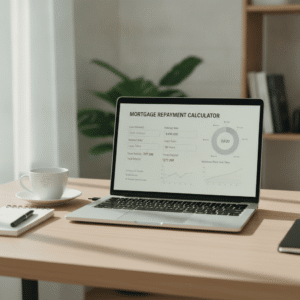
You can explore mortgage affordability via our Expat Mortgage Platform Mortgage Calculator.
Should Expat Buy House Netherlands Based on Time Horizon?
Whether you should expat buy house Netherlands depends heavily on how long you plan to stay.
Staying Less Than 3 Years
Short stays favor renting. Buying costs like transfer tax and notary fees reduce returns. Therefore, renting often wins here.
Staying 5 to 10 Years
Buying becomes attractive. Equity growth offsets purchase costs. In addition, tax benefits improve affordability.
Staying 10+ Years
Buying almost always wins financially. Rent inflation compounds losses. Ownership builds wealth.
Buy or Rent Expat Decision: One-Time Costs Explained
The buy or rent expat decision must include upfront costs, not just monthly payments.
One-Time Costs When Buying
Buyers usually pay:
-
Transfer tax (2% for homeowners)
-
Notary and registration fees
-
Mortgage advice and valuation
These costs often total 4–6% of the purchase price.
Renting Upfront Costs
Renters usually pay:
-
One or two months’ deposit
-
Sometimes agency fees
Upfront costs remain lower. However, long-term cost accumulation is higher.
Renting vs Buying Netherlands Expat: Tax Benefits Explained
Taxes influence outcomes more than many expats expect.
Mortgage Interest Deduction
Homeowners can deduct mortgage interest from taxable income. This reduces net monthly costs significantly.
Box 3 and Property Ownership
Your primary home does not fall under Box 3 wealth tax. That makes buying even more attractive long-term.
For official tax details, see the Dutch Tax Authority housing overview (non-competitive, authoritative source).
Buy or Rent Expat Decision: Scenario Analysis
Let’s compare two simplified scenarios for a €400,000 home.
Scenario A: Renting for 5 Years
-
Monthly rent: €1,900
-
Total paid: €114,000
-
Equity built: €0
Scenario B: Buying for 5 Years
-
Monthly mortgage: €1,800
-
Equity built: ~€60,000
-
Net housing cost: far lower
Results vary, but trends stay consistent.
Should Expat Buy House Netherlands If Income Changes?
Income stability matters.
Permanent Contracts
Permanent employment increases mortgage access. Buying becomes easier and safer.
Fixed-Term Contracts
Buying is still possible. Lenders apply stricter rules. Expert advice becomes essential.
More detail is available here: Understanding the Impact of Your Job Contract on Mortgage Options in the Netherlands.
Renting vs Buying Netherlands Expat: Emotional Factors
Money matters, but emotions also count.
Feeling at Home
Homeownership often increases belonging. Many expats value this deeply.
Stress and Responsibility
Renting reduces responsibility. Buying adds control but also obligations.
Balance matters.
FAQ: Renting vs Buying Netherlands Expat
Is buying always better than renting?
No. Short stays favor renting.
Can expats get a mortgage easily?
Yes, with the right documents and guidance.
Is renting safer during market uncertainty?
Sometimes. Risk tolerance matters.
Can I sell easily later?
Dutch housing liquidity remains high in major cities.
Ready to Make the Right Choice?
The renting vs buying Netherlands expat decision deserves numbers, not guesswork.
Get a free rent-vs-buy calculation and receive personalized advice. Decide with confidence, not pressure.