Energy Label Effect on Maximum Mortgage in the Netherlands: What Expats Must Know
The energy label mortgage rule in the Netherlands allows buyers to borrow more money when purchasing an energy-efficient home, which makes it highly relevant for expats entering the Dutch housing market. Many international buyers focus on income and interest rates, yet energy performance also plays a direct role in mortgage calculations. Therefore, understanding how energy labels affect borrowing power can help you unlock a larger budget and make smarter buying decisions.
In the Netherlands, every property has an official energy label ranging from A (very efficient) to G (inefficient). This label reflects insulation quality, heating systems, and overall energy consumption. Because energy-efficient homes have lower monthly utility costs, lenders allow buyers to borrow more. As a result, the higher your energy label is, the higher your maximum mortgage borrowing power will be. This increases affordability without increasing financial risk.
For expats, this system creates opportunities. You can either buy an already efficient home or finance improvements to reach a better label. Both options can increase your borrowing capacity under current mortgage rules. In this guide, we explain how the energy-efficient mortgage system works, when extra borrowing applies, and how to use it strategically when buying a home.
How the Energy Label Mortgage Rules Work
Why Lenders Allow Higher Borrowing for Energy-Efficient Homes
The energy label mortgage framework in the Netherlands is based on a simple idea: homes with lower energy costs leave more room in your budget for mortgage payments. Because of this, lenders consider energy efficiency when calculating affordability.
The logic behind extra borrowing
Banks evaluate how much of your income goes toward fixed costs. These include mortgage payments, insurance, and utilities. If a home has a better energy label, monthly utility costs decrease. Therefore, more of your income remains available for mortgage repayments.
As a result, lenders allow buyers to borrow additional funds beyond the standard limit. This extra borrowing is specifically linked to the energy label of the property or planned improvements.
How much extra can you borrow?
The exact additional borrowing depends on the property’s energy label. As a simplified guideline:
- Label A or better → highest extra borrowing
- Label B–C → moderate increase
- Label D or lower → limited or no increase
Additionally, buyers who plan energy-saving improvements may also qualify for extra borrowing, even if the current label is lower.
Because rules change periodically, lenders apply the most recent government-backed guidelines when calculating these amounts.
Why this matters for expats
The energy label effect on borrowing power benefits expats who want to maximize borrowing power without increasing financial risk. It also supports long-term cost savings, since energy-efficient homes reduce monthly expenses.
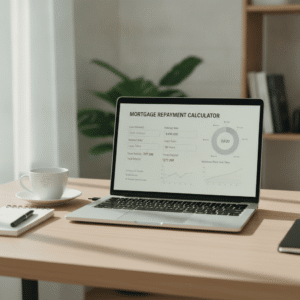
To estimate your borrowing capacity, including energy effects, use our free mortgage calculator.
Energy Label Effect on Maximum Mortgage: Real Scenarios
How Energy Labels Affect Your Buying Budget
The energy label mortgage rules become clearer when looking at real-world scenarios. These examples show how energy efficiency can influence your maximum mortgage.
Scenario 1: Buying an energy-efficient home
Imagine an expat purchasing a home with an A energy label. Because the property has low energy costs, the lender allows additional borrowing. This increases the total mortgage amount compared with a similar home with a lower label.
As a result, the buyer can either afford a better property or reduce the required savings.
Scenario 2: Buying a less efficient home
In this case, the property has a D energy label. The lender does not provide extra borrowing because the home has higher energy costs. This reduces affordability compared with an energy-efficient property.
However, buyers can still benefit if they plan improvements.
Scenario 3: Financing energy improvements
A buyer purchases a property with a lower label but plans upgrades such as insulation or solar panels. In this situation, lenders may allow additional borrowing specifically for these improvements.
This approach supports the energy-efficient mortgage concept, where improvements increase both property value and borrowing capacity.
Summary table
| Scenario | Extra Borrowing | Benefit |
|---|---|---|
| Efficient home | Label A/B | High | Lower costs + higher mortgage |
| Average home | Label C/D | Limited | Standard borrowing |
| Improvement plan | Any label | Moderate | Upgrade + higher value |
How to Use the Energy Label to get a Higher Mortgage in the Netherlands
Maximizing Borrowing and Long-Term Value
The energy label rules on maximum mortgage in the Netherlands can be used strategically by expats who want to optimize both borrowing capacity and long-term costs.
Choosing between efficiency and price
Some buyers focus only on the purchase price. However, energy efficiency can be equally important. A slightly more expensive home with a better label may actually be more affordable due to:
- Lower energy bills
- Higher borrowing allowance
- Better long-term value
Therefore, comparing total cost rather than purchase price leads to better decisions.
Combining mortgage and renovation strategy
Expats can also use the energy-efficient mortgage approach to combine purchasing and upgrading. Instead of choosing a perfect property immediately, buyers can select a home with potential and improve it over time.
This strategy allows:
- Access to lower-priced properties
- Additional borrowing for upgrades
- Increased future property value
Costs of improvements
Energy improvements involve upfront costs. However, these costs often increase property value and reduce monthly expenses. To understand total costs, see: Costs of buying a house in the Netherlands.
Official guidance
For official information on energy labels and sustainability measures, the Dutch government provides resources here: Volkshuisvesting Nederland.
This source explains energy labels, sustainability policies, and incentives for homeowners.
FAQ: Energy Label Higher Mortgage Netherlands
Does an energy label affect mortgage borrowing?
Yes. Better energy labels can increase borrowing capacity because they reduce monthly costs.
Can expats qualify for extra borrowing?
Yes. Expats can benefit from the same rules as Dutch buyers.
What if I improve the energy label later?
You may qualify for additional financing if improvements are planned during the mortgage application.
Is it better to buy an efficient home?
Often yes. Efficient homes reduce costs and increase borrowing potential.
Check how energy labels affect your borrowing power
The energy label rules on mortgages in the Netherlands can increase your borrowing power and improve long-term affordability. However, the exact impact depends on your income, property choice, and improvement plans.
Before making an offer, it is important to understand how energy efficiency affects your mortgage.
Request a free mortgage check for expats today!
During your consultation, you will learn:
- How energy labels affect your borrowing power
- Whether you can finance improvements
- What your real budget looks like
Taking this step early helps you make smarter decisions and avoid missed opportunities in the Dutch housing market.