Balanced Dutch Housing Market in 2026: More Supply, Slower Prices, and Better Timing for Expats
A balanced Dutch housing market is finally starting to show in the first quarter of 2026. That is the main takeaway from the latest NVM update. More homes came onto the market, price growth slowed, and buyers got a little more time to think before making a decision. Still, this is not a relaxed market. Demand remains higher than supply in many regions, and affordability still puts pressure on buyers.
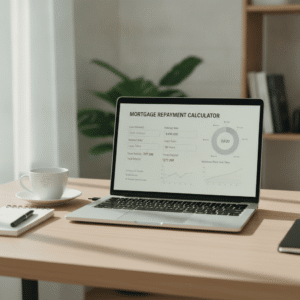
At Expat Mortgage Platform, we see why this matters so much for expats. A calmer market can create better timing, more room to compare homes, and fewer rushed decisions. However, a slightly calmer market does not remove the need for strong preparation. Your borrowing power, your contract type, and your document file still shape what you can do when the right property appears. That is why we always advise buyers to start with our expat mortgage calculator and then confirm the result with a free consultation, because the calculator is only a first indication, and many expats can borrow more or less depending on lender fit.
If you want the original Dutch source behind this market update, you can read the NVM quarterly release. We do not repeat that article here. Instead, we explain what the latest market shift means for expats who want to buy well in the Netherlands.
Why the Dutch housing market feels more balanced
The market feels more balanced for one simple reason: buyers now have a bit more choice. NVM reported that the number of homes for sale rose to nearly 30,000 in Q1 2026, which is more than 20% higher than one year earlier. At the same time, homes sold less quickly, viewings per property fell, and the average selling time increased to 32 days. That creates a calmer rhythm than many buyers saw in the last few years.
Supply is rising, but shortages remain
More supply does not mean oversupply. In fact, NVM is clear that the market still suffers from scarcity. The gap is smaller, but it is still there. In many regions, homes continue to sell fast, and the pressure stays highest on attractive, energy-efficient, move-in-ready properties. So yes, buyers now get more breathing room. Yet good homes still attract strong attention.
Prices are flattening instead of racing up
That shift in supply also shows up in prices. NVM reported an average sale price of €485,000 for existing homes in Q1 2026. That is 2.7% lower than the previous quarter. A first-quarter dip is normal, but NVM says this drop is stronger than the average decline seen over the last five years. On a yearly basis, prices still sit above last year’s level, but the pace of growth has clearly slowed.
Buyers now get more time
This matters a lot for expats. In a very hot market, many international buyers feel pressure from all sides at once. They need to understand the Dutch process, arrange documents, check borrowing limits, and still move fast enough to bid. A calmer market helps. NVM says there are fewer viewings and fewer bids per property now. Even so, about two-thirds of homes still sell above asking price, and buyers still pay an average of 3.7% over asking. So the market is calmer, but not easy.
What changed in the Dutch housing market in Q1 2026
NVM recorded around 34,600 existing-home sales through its members in the first quarter of 2026. That is 27% lower than in the prior quarter. NVM points to a mix of factors behind that drop, including the winter season, a slight rise in mortgage rates late in 2025, weaker consumer confidence, and broader international uncertainty. Those factors made buyers more cautious and more likely to delay a purchase.
Existing homes and new builds tell different stories
The existing-home market looks calmer, but the new-build market shows a mixed picture. NVM says about 5,600 new-build homes sold in Q1 2026, while supply grew sharply to around 18,200 homes, the highest level since 2016. That sounds positive at first. However, the issue in new builds has partly shifted from lack of supply to lack of demand. Buyers hesitate because of long delivery times, bridging costs, uncertainty about financing, and high prices relative to floor space.
Why this matters for expat buyers
For expats, that difference matters. Existing homes usually offer faster timelines and a clearer process. New-build properties can look attractive, especially when bidding pressure drops, but they often bring longer waiting times and more uncertainty between purchase and move-in date. If you are comparing both routes, start with our guide to buying a house in the Netherlands, so you understand the steps, timing, and budget implications before you commit. We explain that good preparation is essential, and we help buyers start with a free eligibility check and a realistic borrowing calculation.
What a more balanced Dutch housing market means for expats
A more balanced market gives you a better chance to buy with a plan instead of pure emotion. That is important because buying as an expat already comes with extra moving parts. Lenders may look more closely at your residence status, contract type, foreign income elements, and document quality. We explain on our site that buying in the Netherlands as an expat is very doable, but the process differs from many other countries, and strong preparation remains essential.
What this means for your mortgage budget
Do not assume a calmer market means you can stretch your budget without risk. In fact, this is often the moment when buyers make better decisions by staying disciplined. If prices flatten and competition cools, you may not need to overbid as aggressively on every property. That can improve your total cost position. At the same time, mortgage affordability still depends on your income, debts, rate level, and lender criteria. Therefore, your first step should still be a realistic calculation, not a search on Funda. Our calculator gives a first indication, while our advisors help refine it based on your actual expat profile.
Why preparation still matters for expats
Preparation matters because the right property still moves quickly. NVM notes that scarcity remains, especially in the better parts of the market. We also know from daily practice that expat cases often benefit from independent lender comparison rather than a one-bank route. On our site, we explain that an independent advisor can compare multiple lenders, while a bank can only offer its own products. That difference often matters more when your file is not fully standard.
If you want to understand your full cost picture, not just the mortgage amount, read our guide to the costs of buying a house in the Netherlands. That page helps you prepare for the real numbers around a purchase, which is especially useful when you compare renting, buying, or bidding strategies as an expat.
How to buy well in a balanced Dutch housing market
The best buyers in this market are not the fastest buyers. They are the best prepared buyers. That is the real edge in 2026.
Best next steps before you book viewings
First, check your borrowing range. Then decide what monthly payment feels safe, not just what a lender may allow. After that, decide whether you want an existing home or a new build. Finally, build your document file early so you can move with confidence when a suitable home appears. Our own buying guide explains that knowing your budget upfront puts you in a stronger negotiating position when you find the right property.
Use the extra market space wisely
Because the market has slowed a bit, you can often ask better questions. Check the energy label. Review the VvE documents if you buy an apartment. Compare neighborhoods more carefully. Look at total monthly ownership costs, not just the headline price. A calmer market is valuable only if you use that extra time well.
Think long term, not just short term
Many expats still focus only on whether they can “win” a property. We think the better question is whether the property fits your life in the Netherlands for the next few years. A home that fits your budget, your commute, and your long-term plan will usually beat a rushed purchase in the wrong area. That is why our advice starts with fit, not hype. We are an independent expat mortgage advisor, and our role is to help you compare options before you commit.
FAQ about the Dutch housing market in 2026
Can expats still get a mortgage in a balanced Dutch housing market?
Yes. A calmer market does not reduce your mortgage options. In many cases, it improves your buying position because you have more time to prepare and compare. We help expats understand lender fit, borrowing power, and next steps before they start bidding.
Is now a good time to buy in the Netherlands?
It can be a good time if your income is stable, your budget is clear, and you plan to stay long enough to make ownership worthwhile. The market is calmer than before, but it is still competitive in many regions. NVM’s latest figures show more supply and slower prices, yet scarcity remains.
Are homes still selling above asking price?
Yes, often they are. NVM says roughly two-thirds of homes still sell above asking price, with an average premium of 3.7%. So you should not assume every home now sells at or below the list price.
Ready to buy in the Netherlands?
The market is giving buyers a little more room. That is good news. However, the best results still go to buyers who prepare early, know their budget, and act with confidence.
At Expat Mortgage Platform, we help you do exactly that. Start with our expat mortgage calculator if you want a first estimate. Then book a free consultation if you want a real borrowing check, lender guidance, and a clear next step for your expat case.
Want to know what you can really buy in today’s Dutch market?
Use our calculator for a first estimate, or book your free, non-binding consultation with us today. We will help you understand your budget, compare lenders, and move forward with clarity.