Holiday Home in the Netherlands: 2026 Buyer Update
The holiday home market in the Netherlands is no longer overheated, but it is also not simple. According to the NVM market update, based on its 2025 year overview with BrainBay, the Dutch recreational housing market has moved closer to balance. Transactions rose slightly, prices stabilised, and more homes came onto the market. At the same time, regional differences became much stronger, which means buyers need to look beyond the national average. NVM reported 4,273 recreational home sales in 2025, a 2.9% increase from the year before, while the average sale price stayed close to €247,000. Over five years, however, recreational homes still became around 40% more expensive.
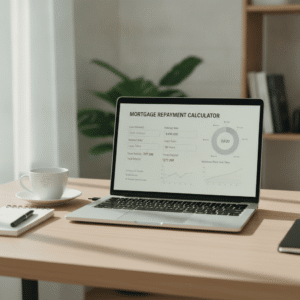
For expats, this matters because a holiday home in the Netherlands is often very different from buying a main residence. The financing, tax treatment, rental rules, and local policies can all change the real cost. So, before you compare asking prices, it is wise to check your borrowing capacity, your own funds, and the rules for the municipality where you want to buy. At Expat Mortgage Platform, we help internationals understand whether a Dutch property purchase is realistic. That starts with clear numbers, not guesswork. You can also read our guide to obtaining a Dutch mortgage as an expat or use our expat mortgage calculator as a first step.
What changed in the holiday home market in the Netherlands?
The main change in the holiday home market in the Netherlands is that buyers have more room to think. NVM says more than 2,700 recreational homes were listed through NVM estate agents in 2025. That was the highest number in 15 years. As a result, buyers had more choice, and they paid on average 3.4% below the asking price. Overbidding also became less common. NVM reported that only 15% of recreational home purchases were made above asking price. Homes also took longer to sell, with an average selling time of 84 days. That is much slower than the 32-day average for regular existing owner-occupied homes.
This does not mean every buyer suddenly has full control. Instead, it means the market is becoming more selective. Strong locations can still sell well, while weaker or overpriced properties may sit longer. Therefore, buyers should compare regions, park rules, rental restrictions, ground lease terms, maintenance costs, and future resale potential. For expats, this is especially important because the cheapest property is not always the safest purchase. A holiday park with high service costs, unclear rental rules, or limited financing options can quickly become expensive. Also, standard Dutch residential mortgages are usually designed for self-occupied main homes, not recreational homes. So, if you are exploring this market, first check what type of financing is possible. Our page about costs for expats buying a Dutch house gives a useful overview of buyer costs, although a recreational property may involve extra checks.
Why the Dutch holiday home market is less investor-led
The Dutch holiday home market is shifting from pure investment to personal use. NVM notes that changes in box 3, higher VAT on short-stay accommodation, and rising costs are making investors more cautious. At the same time, private buyers are becoming more critical. According to NVM, demand is moving towards buyers who want to use the property themselves, either fully or partly, instead of mainly chasing rental yield. NVM also states that many private buyers use their own funds, and that three-quarters of these buyers do not need a mortgage.
That shift is important for expats who are thinking about buying a holiday home in the Netherlands as an investment. Rental income may still be possible, but it should not be assumed. From 1 January 2026, the VAT rate for short-stay accommodation increased from 9% to 21%. The official government business portal states that this applies to holiday homes, hotels, B&Bs, guesthouses, platform rentals, and other short-stay accommodation. Camping remains at 9%. The Belastingdienst also states that people who regularly rent out their own holiday home may be treated as VAT entrepreneurs, even without hotel-like services.
Because of this, a simple “buy, rent out, and cover the costs” calculation may be too optimistic. You need to include VAT, park fees, furnishing, maintenance, vacancy, platform costs, local rules, and possible tax changes. In short, the market may be healthier, but it demands better preparation.
Holiday home in the Netherlands: tax and financing points
A holiday home purchase in the Netherlands often has a different tax profile than a main residence. The Dutch Tax Administration explains that a holiday home in the Netherlands is treated as a second home when you do not live there. Buyers pay transfer tax on purchase, while owners may face income tax and municipal property tax. For 2026, the Tax Administration states that the transfer tax for a holiday home is 8% of the purchase price. It also states that the notional return percentage for a holiday home in box 3 is 6.00% in 2026, compared with 5.88% in 2025.
These points matter because many expats first compare the purchase price only. However, the real budget should include buyer costs, taxes, potential financing limitations, and ongoing ownership costs. A holiday home may also require more of your own funds than a regular home. Lenders can be stricter because the property is not your main residence, and rental income is often treated carefully. Also, if you already have a mortgage on your main home, your total financial obligations can affect what you can borrow. That is why we advise buyers to check the mortgage structure before making an offer. You can start with our mortgage calculator, but a second-home purchase often needs personal advice.
There is also a legal point that many buyers miss. A recreational home is usually intended for recreation. Permanent residence is only allowed if the local environmental plan permits it or if you have a special permit. The Dutch Government states that municipalities set these rules and must act against illegal permanent occupation. So, always check the municipality before assuming you can live there full-time.
Regional differences in recreational property in the Netherlands
The market for recreational property in the Netherlands is now highly regional. NVM’s national numbers look stable, but the local picture differs strongly. Drenthe saw the largest transaction increase, with 435 sales and 109 more homes sold than one year earlier. Twente/Salland also grew, with sales up 24%. NVM notes that more affordable regions are gaining traction. That makes sense, because buyers who are priced out of famous coastal areas may look inland for better value.
Zeeland shows the opposite trend. NVM describes Zeeland as one of the first regions where a buyer’s market is emerging. Supply increased by 28%, while transactions fell and prices dropped by 9%. This does not mean Zeeland is unattractive. Instead, it means buyers may have more negotiating power, especially in higher price segments. The Wadden Islands remain a very different market. According to NVM, they are still the most expensive region, with an average sale price of €519,000 and an 11% increase. Scarcity keeps pressure high there. Limburg offers the most space for money, with the lowest average price per square metre at €2,616. Meanwhile, the Frisian and Overijssel lakes saw the strongest price growth at 13%, and Brabant remains the tightest market despite more supply.
For expat buyers, the lesson is simple. Do not ask, “Is now a good time to buy?” Ask, “Is this specific property, in this specific region, at this specific price, a good decision for my situation?”
What this means for expat buyers
The current holiday home market in the Netherlands gives expat buyers more choice, but it also rewards careful planning. If you are buying for personal use, the calmer market may help. You may have more time to view properties, compare regions, and negotiate. However, you still need to understand ownership rules, taxes, park conditions, and financing. If you are buying partly for rental income, the calculation needs even more care. Higher VAT on short-stay accommodation, box 3 taxation, and local rental restrictions can all affect the outcome.
A strong buying process starts with three checks. First, confirm whether the property can be financed and how much of your own money you need. Second, check the legal use of the property, especially if you want to stay for longer periods. Third, calculate the full annual cost, not only the monthly mortgage payment. That includes municipal taxes, park contributions, insurance, maintenance, utilities, furnishing, rental management, and possible vacancy. In practice, this can make two similar-looking homes very different financially.
At Expat Mortgage Platform, we help expats avoid expensive surprises. We compare lender options, explain Dutch mortgage rules, and help you understand what is realistic before you commit. This is useful whether you are buying your first home, considering a second home, or exploring long-term plans in the Netherlands. Want to know where you stand? Plan a free consultation with our mortgage advisors and get clear guidance before you make an offer.
FAQ about holiday home Netherlands purchases
Can expats buy a holiday home in the Netherlands?
Yes, expats can buy a holiday home in the Netherlands. There is no general rule that blocks internationals from buying Dutch property. However, financing can be more complex than buying a main residence. Lenders will look at your income, employment situation, residence status, existing debts, and the type of property. Some recreational homes are harder to finance because they are located on holiday parks, have specific usage restrictions, or are seen as less standard collateral. Therefore, you should check your options before you sign a purchase agreement. A mortgage advisor can help you understand which lenders may consider your situation and how much of your own money you need.
Can I live permanently in a Dutch holiday home?
Usually, no. A recreational home is normally meant for temporary recreational use. Permanent residence is only allowed if the local environmental plan permits it or if the municipality grants a specific permit. The Dutch Government states that municipalities decide these rules and must enforce them when people live permanently in recreational homes without permission. This means you should never rely on assumptions from a seller, park manager, or online listing. Always check the municipality and the legal use before buying.
Is the Dutch holiday home market still attractive?
Yes, but not for every buyer and not in every region. NVM’s 2025 figures show a more balanced market, with slightly higher transactions, stable average prices, and more supply. Yet regional differences are now very strong. Some areas are cooling, while others remain expensive or tight. So, the opportunity depends on your goal. A personal-use buyer may value location and lifestyle. An investor needs a stricter return calculation. In both cases, good advice helps you avoid overpaying.
Should I buy now or wait?
That depends on your budget, financing, target region, and reason for buying. NVM reports that more than half of NVM estate agents expect fewer recreational home sales in 2026. A small majority also expects average sale prices to decrease slightly, while others expect stability or a small rise. Waiting may help in some regions, but not everywhere. Scarce areas can remain expensive. If you find a strong property at a fair price and the financing works, buying can still make sense. The key is to avoid rushed decisions.
Ready to explore your options?
Buying a holiday home in the Netherlands can be a smart lifestyle choice, but only when the numbers and rules are clear. The market is calmer than before, yet it is also more regional, more tax-sensitive, and less predictable. That makes expert guidance more valuable, especially for expats who are not familiar with Dutch mortgage rules.
At Expat Mortgage Platform, we help you understand your financing options before you move forward. We can check your borrowing capacity, explain what lenders may accept, and help you avoid common mistakes. Start with the expat mortgage calculator or book a free consultation with our team.